
Parent Alert June 2025

Understanding Healthy and Unhealthy Relationships

Intimate partner violence is experienced by millions of people in the United States. Dating violence is one type of intimate partner violence, and it includes physical violence, sexual violence, psychological aggression, and stalking. Many victims first experience dating violence as teenagers and it can impact lifelong health, opportunity, and wellbeing. Violence in adolescent relationships can lead to future relationship problems and further victimization. Additional concerns for victims include experiencing depression and anxiety, engaging in unhealthy behaviors like substance use, and an increased risk of suicidal ideation. The impact on victims is discussed often, but the reasons why abuse happens are not as well known.
While reasons may vary, relationship abuse is a choice and a learned behavior. The main goal for abusers is to have power and control over their victim. Their motivation can come from a sense of entitlement, belief that they can get away with it, or learned experience that being abusive gets them what they want. Additionally, certain social forces can shape an abuser’s attitudes and beliefs, as well as create an environment that encourages abuse. These social forces can include:
- Gender-role identity – This involves using stereotypes and limited definitions of “acceptable behavior” based on gender. One example is traditional messages that say men should have power and women should be submissive.
- Media – Our media plays a significant role in developing our view of the world and how it works. Unfortunately, lots of media portrays women as objects, glorifies violence, and has a limited view of male and female roles.
- Peer group – The pressure to fit in can cause us to make bad choices and can lead to negative outcomes. For teen boys, this may mean following the examples set by misogynistic influencers who make a living devaluing women and encouraging aggressive behavior.
Understanding the differences between healthy and unhealthy relationships is one way to prevent being trapped in an abusive relationship. Healthy relationships are characterized by mutual respect, trust, honesty, open communication, and other important aspects listed on the healthy relationships wheel (pictured above). Relationships do not work like fairy tales where you fall in love and live happily ever after. They require hard work, dedication, and determination from both parties. Every relationship will have challenges, but those challenges are easier to navigate when you are with someone who is willing to put in the time to build a healthy relationship.
Anyone can be a victim of an unhealthy relationship regardless of age, race, gender, or sexual orientation. You can help your child avoid an unhealthy relationship by modeling healthy relationship behavior, talking to them about the differences between healthy and unhealthy relationships, and being open and honest when they have questions.
Take the healthy relationship quiz to see if your relationship is healthy. Click on the links below to learn more.
Resources
Cleveland Clinic – 12 Signs You’re in a Healthy Relationship
Love is Respect – Healthy Relationships
Love is Respect – Quiz: Is your relationship healthy?
CDC – Teen Dating Violence
The Center for Relationship Abuse Awareness – What Causes Relationship Abuse
Stop the Hurt – LGBTQ Relationships
Safe and Sober Celebrations
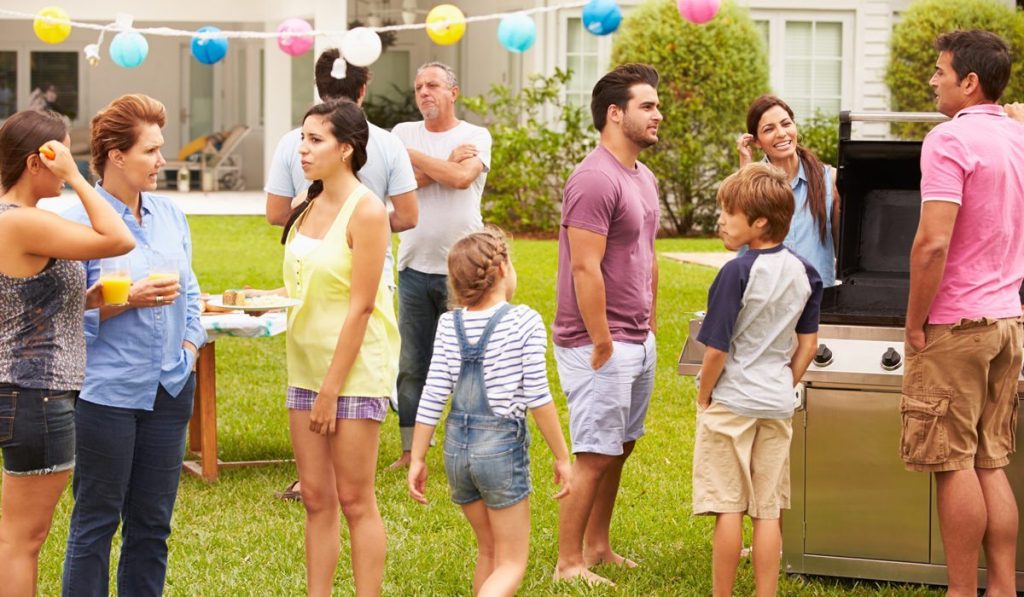
Graduation parties, cookouts, and bonfires are fun ways to spend time with family and friends during the summer. These events can also give teenagers an opportunity to have their first taste of alcohol. Underage drinking can have negative impacts on health including disrupted brain development and an increased risk of developing a substance use disorder. It can also cause legal problems for youth who drink and drive, and adults who provide minors with alcohol. Here are some ideas to prevent underage drinking and make the most of summer parties:
- Set rules: Make sure your child knows your expectations when it comes to alcohol.
- Stay involved: Know what your kids are doing and who they are spending time with.
- Encourage involvement in summer activities: If your child is too old for a club or other group then encourage them to volunteer at a camp or get a summer job.
- Plan an alcohol-free party: You don’t need alcohol at a summer party. Check out the links below to learn how you can keep graduation parties and cookouts safe and sober.
Another consideration for summer celebrations is making sure they are accessible for individuals in recovery. Parties and get-togethers are great for our emotional and mental health, but they can be difficult for someone in recovery if alcohol or other substances are part of the celebration. Here are some ways to host a party as a recovery ally:
- Communicate with your guest(s): Nobody knows their recovery journey better than the person in recovery. Talk to them about what would be helpful for them and what they are comfortable with when you invite them.
- Create an alcohol-free evening: This one seems obvious but it can be a challenge when so many celebrations and events have alcohol present. A couple suggestions are to focus on food and find alcohol-free alternatives like a mocktail bar.
- Invite other sober friends and recovery allies: Filling a party with like-minded individuals can create a positive environment and reduce stress.
You have an important role to play in keeping this summer safe and sober for everyone. Check out the links below to learn more.
Resources
Love to Know – Creative and Safe Grad Night Party Ideas
Next Step Community Solutions – 6 Steps to Prevent Underage Drinking this Summer
Talk it Out – What to Do at a Graduation Party: 8 Sober Ideas
Gateway Foundation – Navigating Family Celebrations While in Recovery
Purposes Recovery – How to Be a Gracious Host to Guests in Recovery
June 2025 Awareness
Wayne County Coalitions strives to observe the many different awareness events throughout the year that focus on mental health, substance use prevention, and other important topics. Please click on the links to learn more.

Pride Month: Pride month is annual celebration of the LGBTQ+ community, their history, achievements, and ongoing struggle for equality. It also serves as a reminder of the importance of acceptance, diversity, and love.
Awareness Days – Pride Month 2025
Human Rights Campaign – LGBTQ+ Glossary of Terms
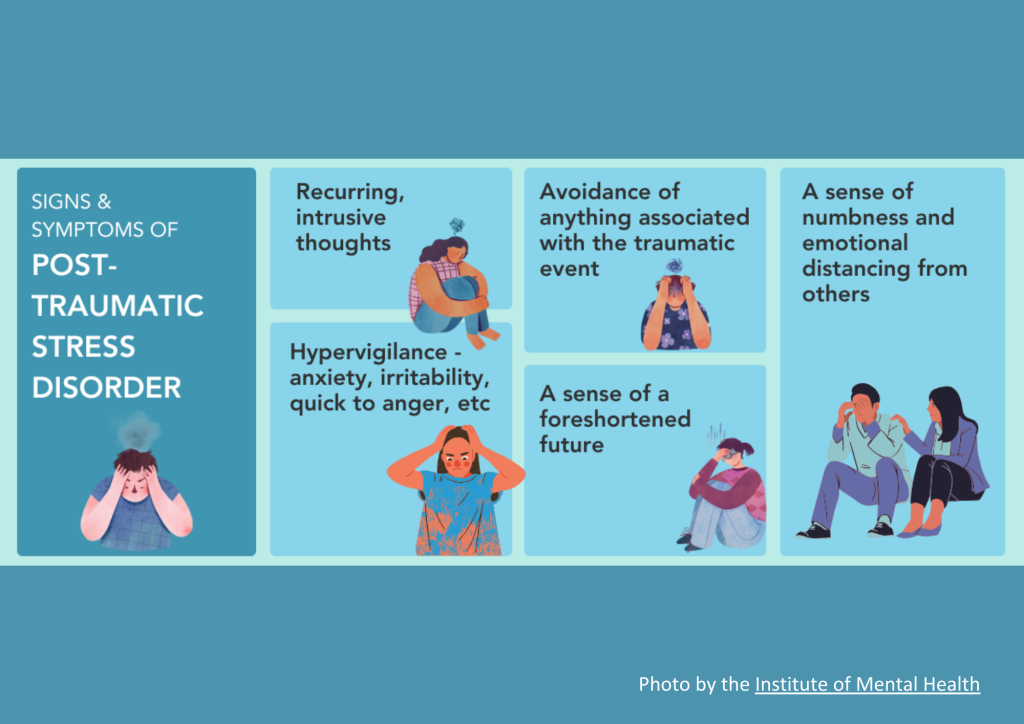
National PTSD Awareness Month: Post-Traumatic Stress Disorder (PTSD) is typically associated with combat veterans. However, PTSD can impact anyone who has experienced or witnessed a traumatic event. These events can include military combat, sexual or physical violence, natural disasters, or severe accidents.
National Center for PTSD – Help Raise PTSD Awareness
SAMHSA – SAMHSA Recognizes Posttraumatic Stress Disorder Awareness Month
National Safety Month: The National Safety Council uses June to promote safety awareness and reduce preventable injuries and deaths. This year’s topics are continuous improvement, employee engagement, roadway safety, and wellbeing.
National Safety Council – National Safety Month 2025
Thank you for being a vital part of our community!
Please click on the link below to send this Parent Alert to a family member or friend. They will also have the opportunity to sign up to receive monthly Parent Alerts.
http://eepurl.com/g79Obf http://eepurl.com/g79Obf
 |  |
Copyright © 2025 Rittman SALT Coalition. All rights reserved.
Our mailing address is:
Rittman SALT Coalition
c/o 104 Spink St.
Wooster, OH 44691
CoalitionsCommunication@gmail.com