
Parent Alert September 2025

The Hidden Costs of Substance Use: A Call for Awareness and Prevention
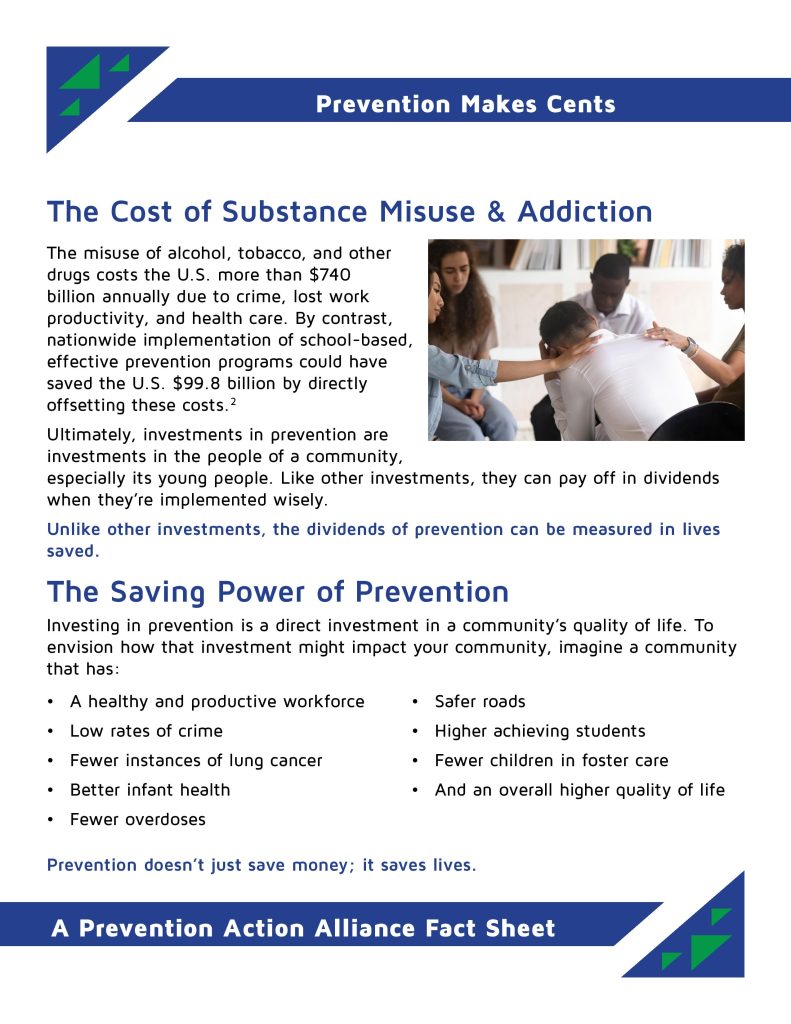
Substance use affects individuals and society in profound and far-reaching ways. On a personal level, individuals may face physical and psychological health challenges, strained relationships, and disruptions in their education or careers. At the societal level, substance use contributes to increased crime rates, traffic accidents, economic burdens, and environmental degradation.
While the dangers to personal health and public safety—such as addiction, crime, and traffic incidents—are widely recognized, the broader economic and environmental consequences often go unnoticed. These hidden costs deserve greater attention.
The Economic Toll of Substance Use
Quantifying the economic impact of substance use and substance use disorders (SUDs) is complex, as these behaviors affect many aspects of life. According to EBSCO Research Starters, the costs span across medical care, criminal justice, social services, workplace absenteeism and lost productivity. These include expenses related to addiction treatment, incarceration, and foster care for children of individuals with SUDs.
Some of these costs are borne by individuals, while others are funded by taxpayers. The Gateway Foundation estimates that substance misuse costs society over $820 billion annually, a figure that continues to rise. Alcohol and tobacco alone account for approximately $550 billion, including an estimated $350 billion in lost productivity.
Environmental Impact: A Growing Concern

Unlike economic costs, the environmental impact of substance production is more visible and immediate. The cultivation and manufacturing of both legal and illicit substances contribute to environmental degradation in ways similar to industrial farming and large-scale production. These effects include:
- Carbon emissions
- Water overuse
- Deforestation
- Toxic waste pollution
- Loss of biodiversity
While legal pharmaceutical production is regulated, illicit drug manufacturing often bypasses environmental protections, amplifying the damage. According to the United Nations Office on Drugs and Crime, the environmental toll of drug production is significant and growing. Here are a few striking examples, as highlighted by Deutsche Welle (DW):
- Cannabis production in the U.S. accounted for around 1% of national energy consumption in 2018.
- A single cannabis plant requires 6 gallons of water per day.
- Coca cultivation – used to produce cocaine – has led to the clearing of nearly 1 billion acres of forest since 2001. The conversion process involves toxic chemicals that contaminate soil and waterways.
- In 2019, opium cultivation occupied land equivalent to 337,000 soccer field worldwide.
A Path Forward: Prevention and Hope
Despite the devastating consequences of substance use, there is hope. Many countries and communities are investing in prevention strategies that go beyond simply warning youth about the dangers of drugs. These efforts focus on:
- Promoting healthy lifestyles
- Creating safer, more resilient communities
- Protecting the environment from harmful drug production practices
Prevention goes beyond teaching kids about the harmful affects of substances—it’s about building a culture of wellness, responsibility, and sustainability. By investing in prevention today, we can create a healthier, happier, and more sustainable world for tomorrow.
Resources
Dianova – The Impact of Drugs on the Environment
DW – 5 ways that drugs damage the environment
EBSCO – Economic impact of addiction
Gateway Foundation – The Environmental Impact of Growing Drugs
Gateway Foundation – The High Cost of Drug Addiction
Michigan Journal of Economics – Beyond Indulgence: The Economics of Addiction
United Nations Office on Drugs and Crime – World Drug Report 2022

Resources
NIH – Trends & Statistics
NIH – Why is adolescence a critical time for preventing drug addiction?
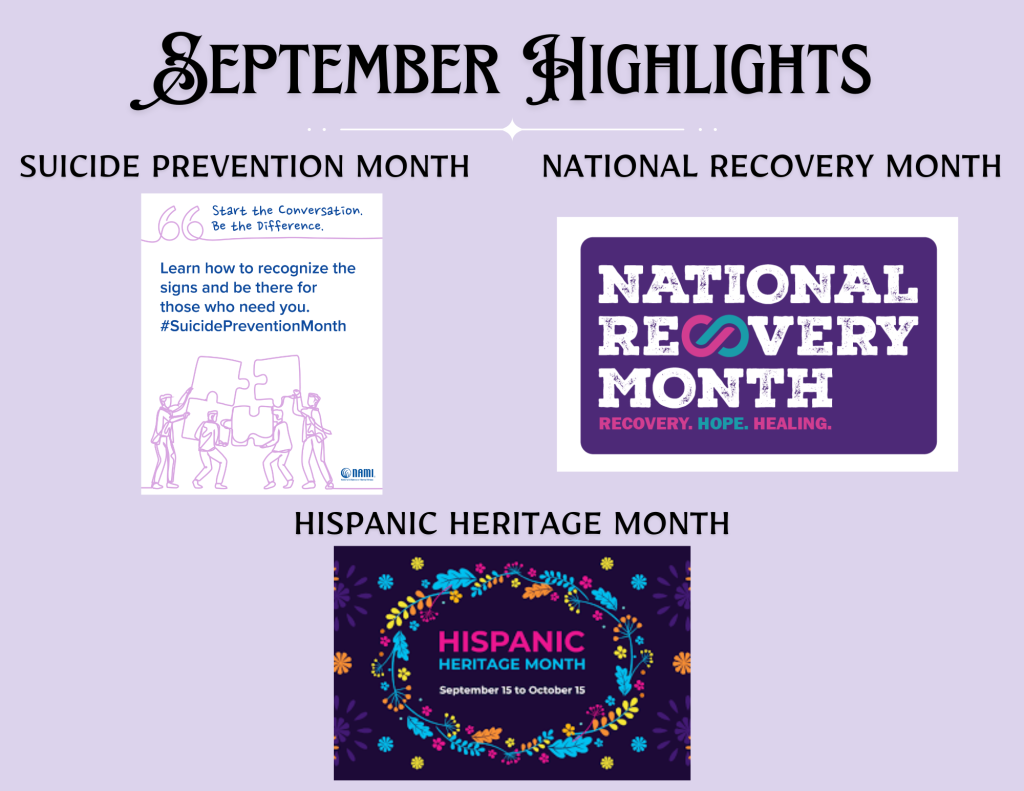
Wayne County Coalitions strives to observe the many different awareness events throughout the year that focus on mental health, substance use prevention, and other important topics. Please click on the links to learn more.

Suicide Prevention Month: Suicide Prevention Month is intended to raise awareness, spread hope, and create a culture of understanding and support. This year’s theme is Start a Conversation. Be the Difference.
International Association for Suicide Prevention – World Suicide Prevention Day 2025
NAMI – Suicide Prevention Month 2025
SAMHSA – Suicide Prevention Month
National Recovery Month: National Recovery Month started in 1989 to promote and support new evidence-based treatment and recovery practices, the recovery community, and the service providers and communities who help make recovery possible.
NAADAC (The Association for Addiction Professionals) – National Recovery Month
SAMHSA – National Recovery Month

Hispanic Heritage Month: This celebration of Hispanic and Latino history and culture will be observed from September 15 – October 15.
Smithsonian National Museum of the American Latino – Hispanic Heritage Month Resources
Resources
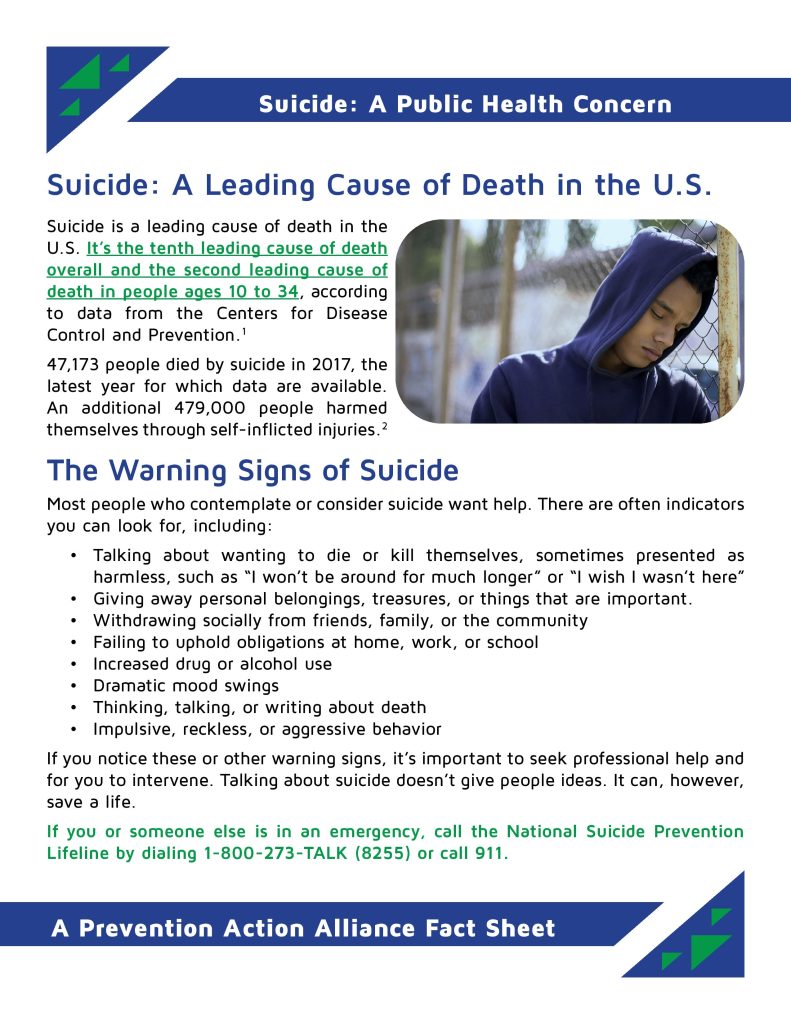
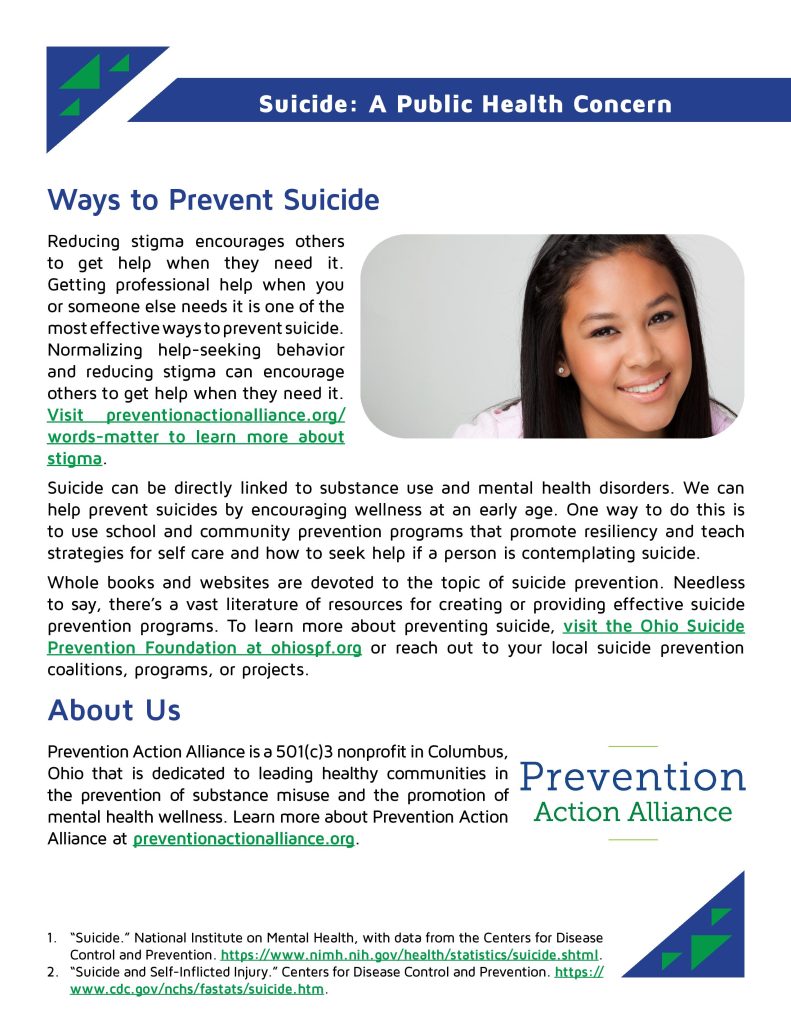
CDC – Suicide and Self-Inflicted Injury
NIH – Suicide
Ohio Suicide Prevention Foundation – Homepage
Resources
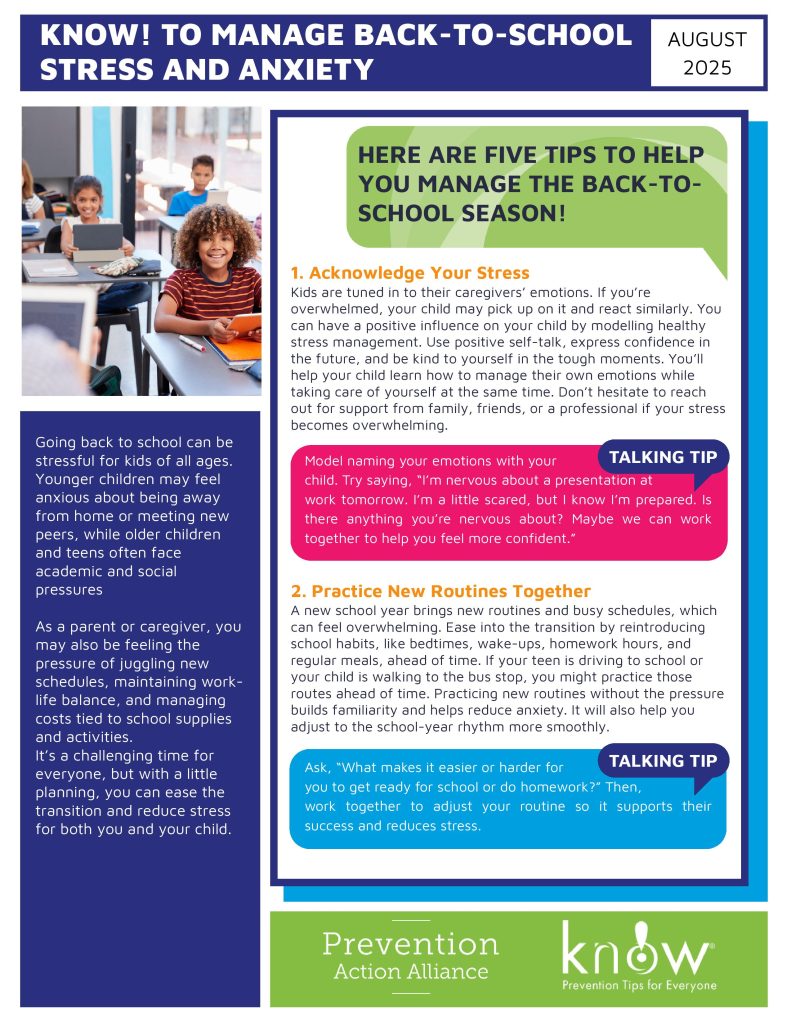
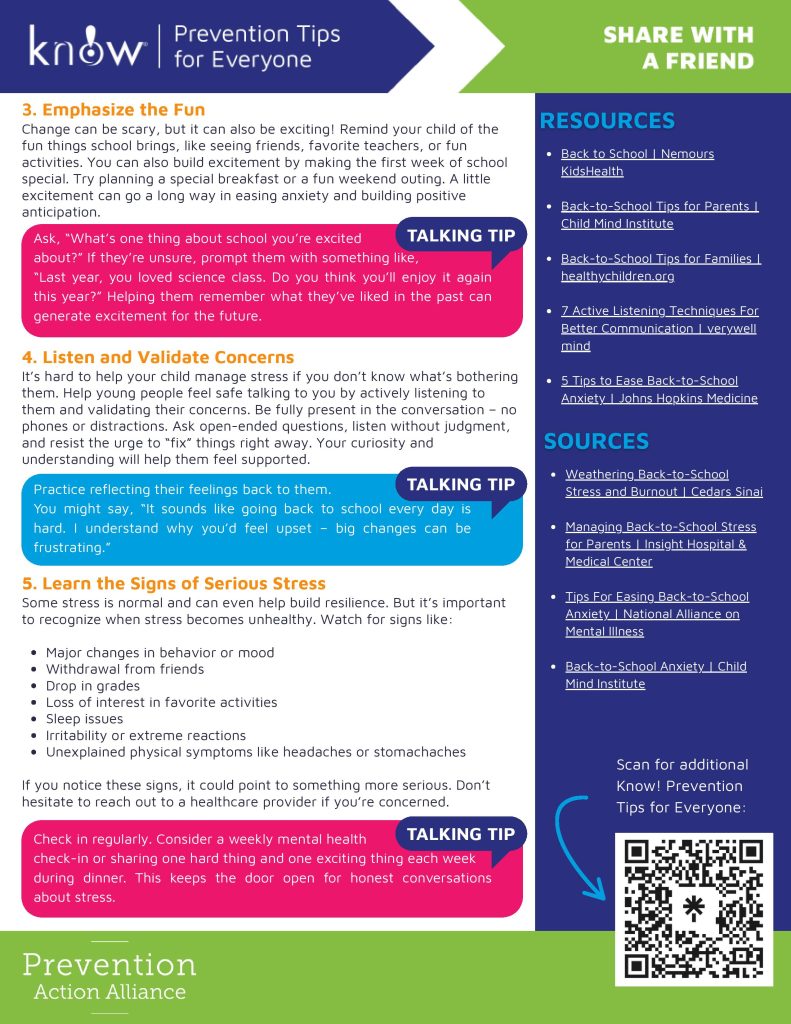
Cedars Sinai – Weathering Back-to-School Stress and Burnout
Child Mind Institute – Back-to-School Anxiety
Child Mind Institute – Back-to-School Tips for Parents
HealthyChildren.org – Homepage
INSIGHT Hospital & Medical Center – Managing Back-to-School Stress for Parents
Johns Hopkins Medicine – 5 Tips to Ease Back-to-School Anxiety
NAMI – Tips for Easing Back to School Anxiety
Nemours Kids Health – Back to School
Verywell Mind – 7 Active Listening Techniques for Better Communication
Thank you for being a vital member of our community!
Please click on the link below to send this Parent Alert to a family member or friend. They will also have the opportunity to sign up to receive monthly Parent Alerts.
 |  |
Copyright © 2025 Rittman SALT Coalition. All rights reserved.
Our mailing address is:
Rittman SALT Coalition
c/o 104 Spink St.
Wooster, OH 44691
CoalitionsCommunication@gmail.com